
Services

Spinal Stenosis Treatment

Decompression-based care designed to relieve the nerve compression and pain associated with spinal stenosis.

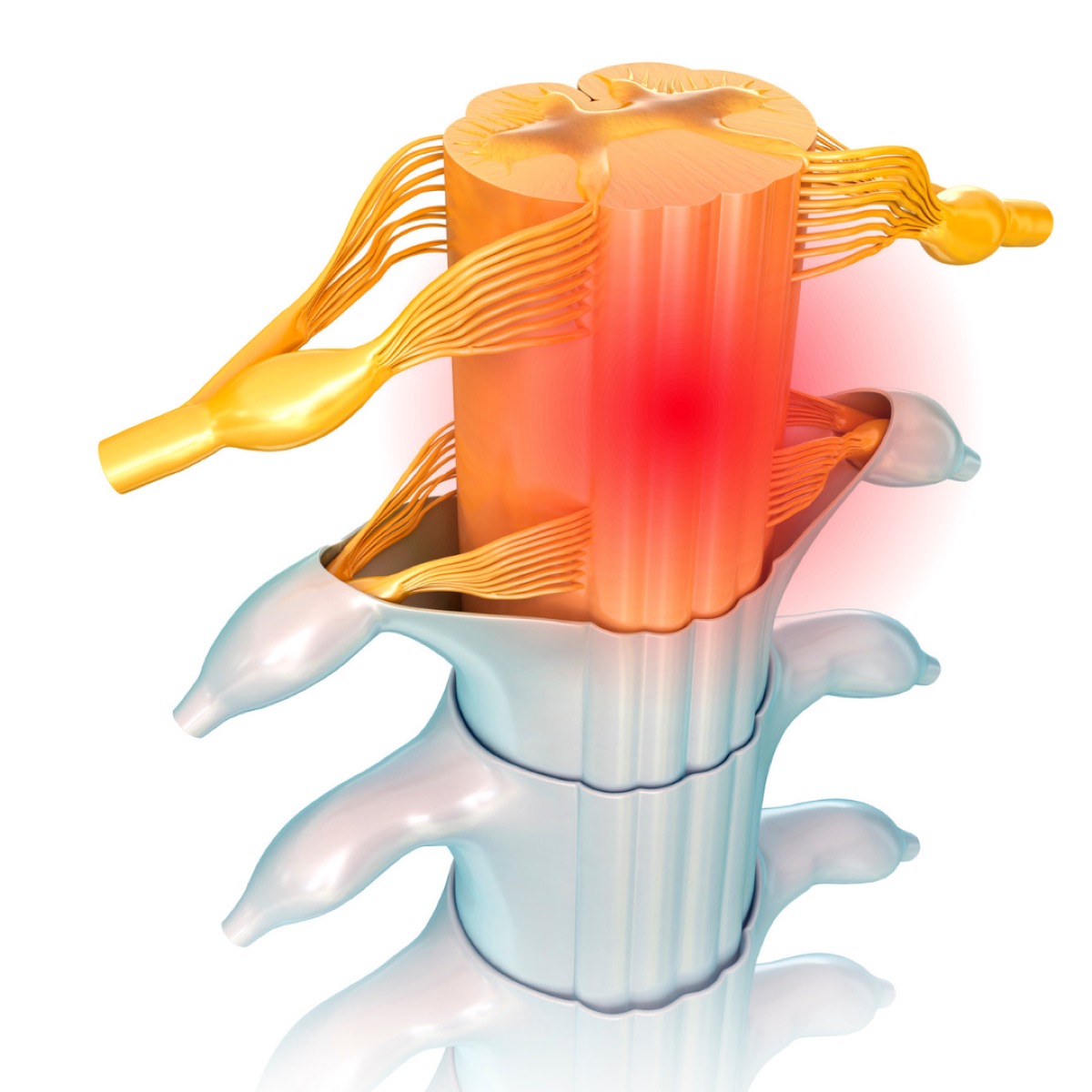
Illustration of spinal nerve compression associated with spinal stenosis

Does this sound familiar?

Walking used to be easy. Now every block is a negotiation.

You can walk for a while, but then your legs start aching, feeling heavy or numb, and you have to sit down. A few minutes of rest and you feel fine again, until the next stretch. Leaning forward over a shopping cart helps. Standing in line is the worst part of the day. If walking keeps getting cut short while sitting brings relief, spinal stenosis may be behind it, and it is something we evaluate every week.

What it is

A narrowing of the spinal canal

Spinal stenosis is a narrowing of the spaces within the spine, often caused by degenerative disc disease or arthritis, that can put pressure on the spinal cord or nerves. Common symptoms include leg pain or weakness when walking or standing that eases when sitting or bending forward, along with back pain and numbness. It usually develops gradually over years, which is why many patients notice their walking distance shrinking bit by bit before they ever hear the word stenosis.

How we treat it

Creating room for the nerves with non-surgical spinal decompression

Our DRX9000 table gently stretches the spine in a precise, computer-controlled cycle. That cycling creates negative pressure inside the disc, which may take pressure off the irritated nerves and may gently open the spaces the nerves travel through. Sessions are non-surgical and drug-free, and most patients describe them as painless and relaxing. Decompression is not right for everyone, which is why every patient gets an evaluation with imaging review first. Individual results vary.

Find out what is causing your leg pain for $21

Our disc evaluation includes a consultation, x-rays, and a trial treatment, so you leave knowing whether non-surgical spinal decompression fits your case.

Patient stories

What our patients say

Google review · 5 stars

Christopher Shaw

The progress made for me with Disc Doctors can’t be overstated, period. From difficulty walking, almost needing a walker, to walking normally within a few weeks, I regained my independence back. The staff is outstanding, welcoming, caring and very knowledgeable. I highly recommend The Disc Doctors to anyone struggling with back pain.

Google review · 5 stars

Jaime Walsh

I was a little skeptical at first but went for my consultation. I was in constant pain, could barely walk. I just finished my treatment plan and can walk without a cane or walker now! I am so thankful I took the chance. The staff is absolutely amazing, Dr Forlini and everyone are the best! I highly recommend this place if you have back issues!

Individual results vary. These are real, unedited Google reviews from our patients.

Questions patients ask about spinal stenosis

Do I need surgery for spinal stenosis?

Not necessarily. Many stenosis patients do well with non-surgical care, especially when symptoms are stable rather than rapidly worsening. Because surgery carries real risks and a long recovery, it makes sense to try decompression first. We refer for surgical evaluation when the case genuinely calls for it.

Why does walking make my leg pain worse but sitting relieves it?

That pattern is the hallmark of lumbar stenosis. Standing and walking narrow the spinal canal further and pinch the nerves; sitting or bending forward opens the canal back up and relieves the pressure. If that describes you, stenosis is high on the suspect list.

Stenosis versus herniated disc: what is the difference?

A herniated disc is a soft-tissue problem: disc material pushes out and presses a nerve. Stenosis is a space problem: the spinal canal itself narrows, from arthritis, thickened ligaments, or disc bulging, and squeezes the nerves. They cause similar leg symptoms and often coexist, which is why imaging matters.

Can spinal decompression help spinal stenosis?

It may help, by gently opening the spaces the nerves travel through. The decompression cycle stretches the spine and creates negative pressure, which can relieve the nerve compression behind stenosis symptoms. Candidacy depends on the severity and the exact anatomy, which we assess with your imaging.

I was told my stenosis is severe. Does that rule out non-surgical care?

Not automatically. Severe on an MRI describes the anatomy, not how you have to be treated. What matters is your symptoms, how fast they are changing, and whether there is progressive nerve damage. Bring your imaging and we will give you an honest read on whether decompression is a reasonable option.

Why does my back pain keep coming back with stenosis?

Because the canal does not widen on its own. Painkillers, rest, and injections can quiet the irritated nerves for a while, but the narrowing is still there when the treatment wears off. Lasting improvement usually comes from creating more space for the nerves or reducing what is crowding them.

What happens if spinal stenosis goes untreated?

It usually progresses slowly, with walking distance shrinking over months or years. In most cases it is not dangerous, just limiting. The exceptions are progressive leg weakness or bladder and bowel changes, which need prompt medical attention. Getting evaluated early gives you the most options.

Struggling to walk or stand for long without pain?

Start with our $21 disc evaluation, or book your appointment directly.